Striking Black and White Photos Capture the Black Experience in 1940s South Side Chicago
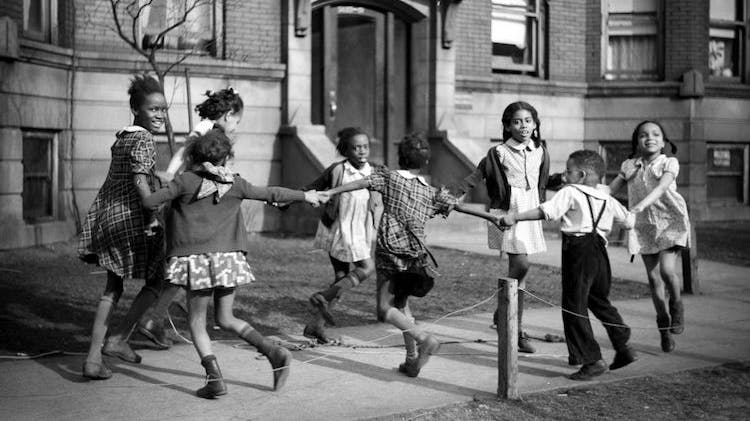
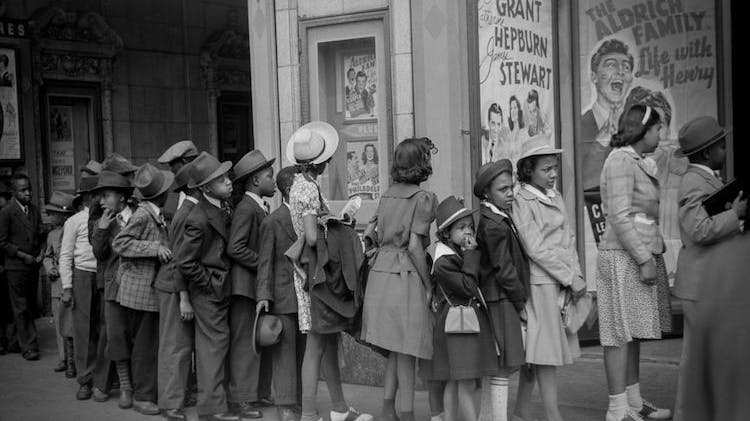
Children playing “ring around the rosie” in one of the more affluent neighborhoods of the Black Belt of Chicago, Illinois, in 1941 Photo by: Edwin Rosskam, Farm Security Administration, courtesy of Library of Congress
By
Edwin Rosskam, Library of Congress
Text Type
Photo Essay
Words
1512
Lexile
1070L
Published
1941
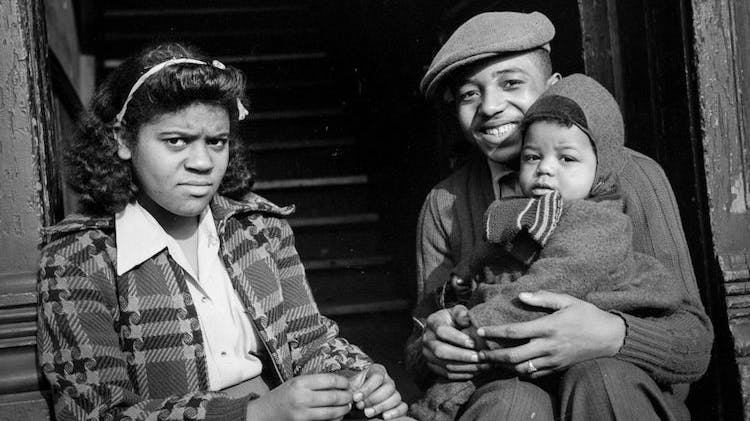
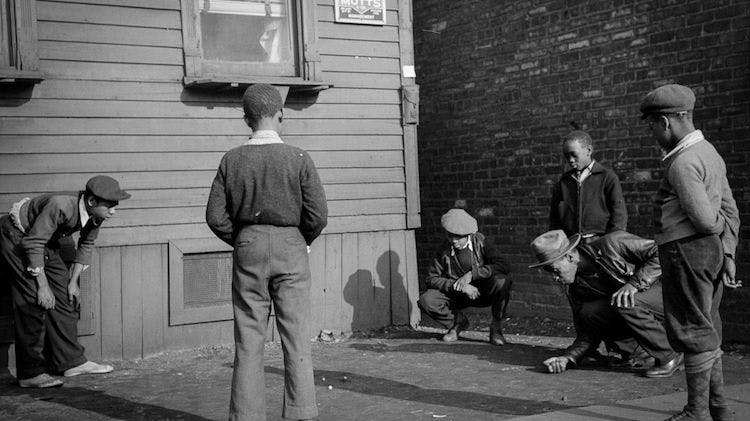
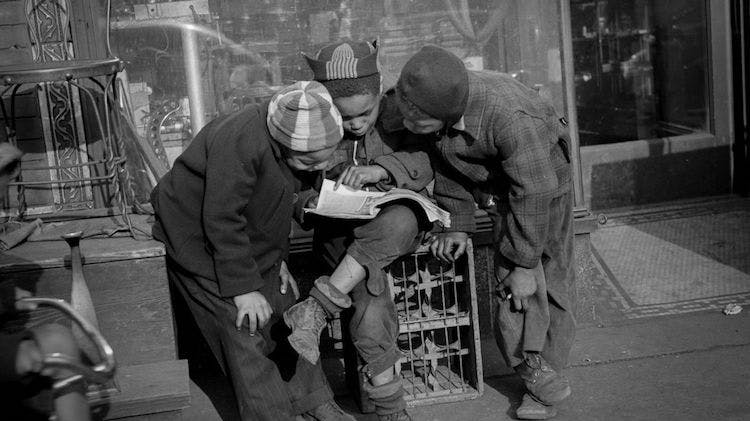
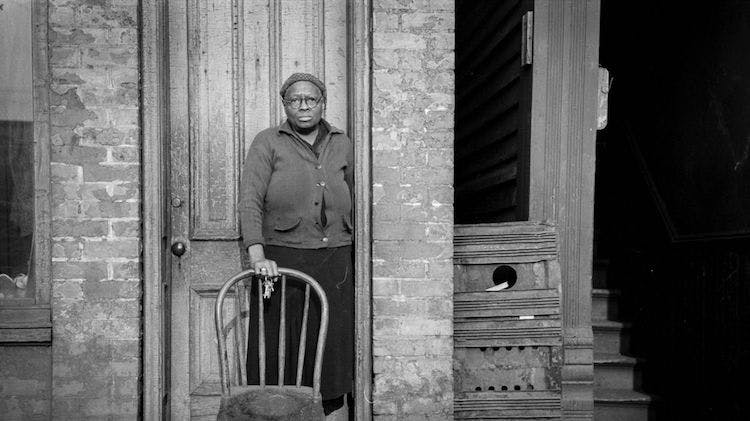
In the Great Migration (from roughly 1910 to 1970), millions of Black Americans, many of whom lived in the rural American South, permanently relocated to cities to the north and west. These individuals had many reasons for leaving their homes. They were spurred in large part by a desire to seek opportunities in locations not governed by oppressive Jim Crow laws and the social structures that upheld them. They established lives and created communities in new cities, enriching and changing the American landscape.
The “Black Belt” was an area on the South Side of Chicago, Illinois. Many Black Americans from the South moved there during the decades of the Great Migration. Housing covenants were rules or even deeds on houses that effectively segregated Black Americans into this area. This part of the South Side grew over time and was also referred to by other names, including Bronzeville.
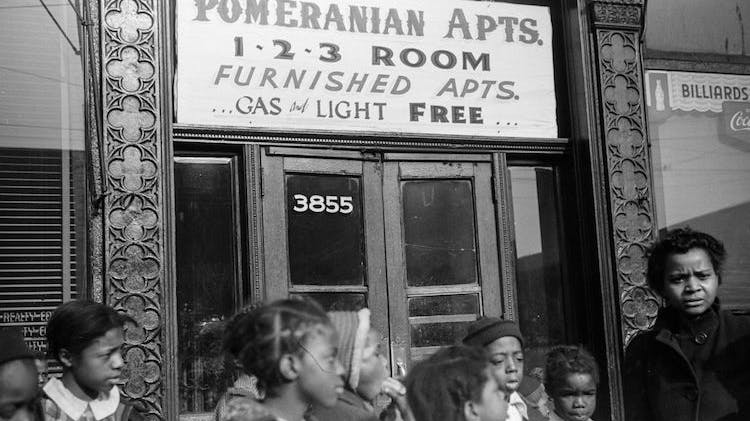
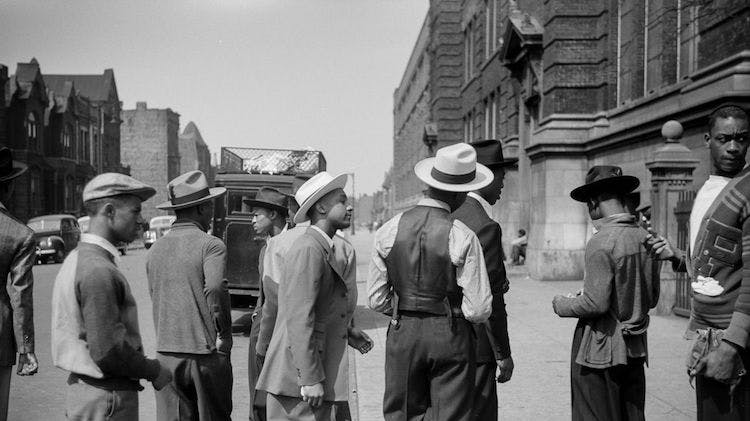
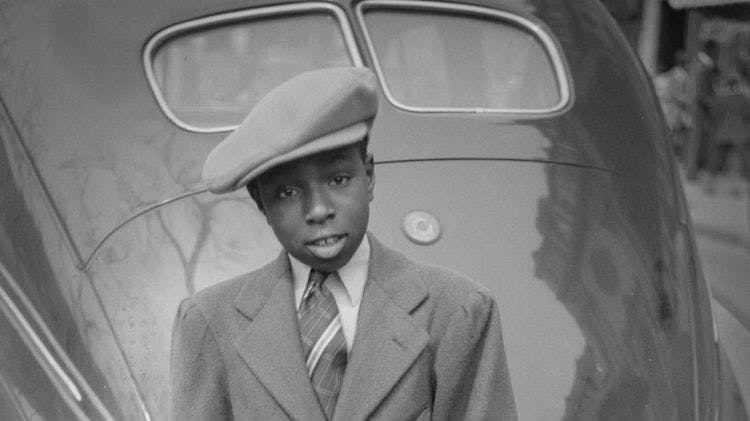
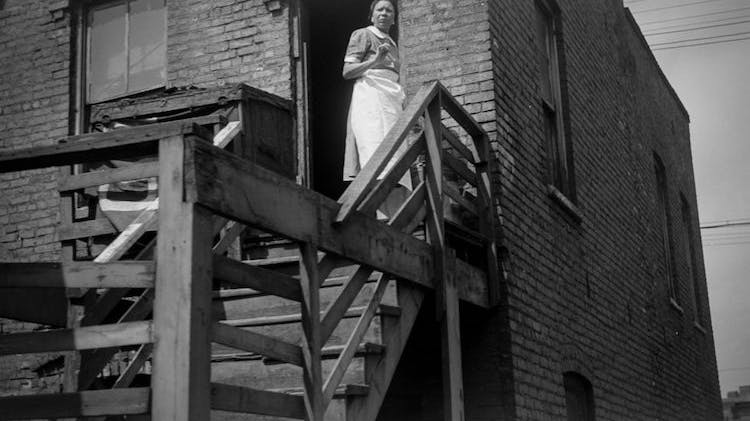
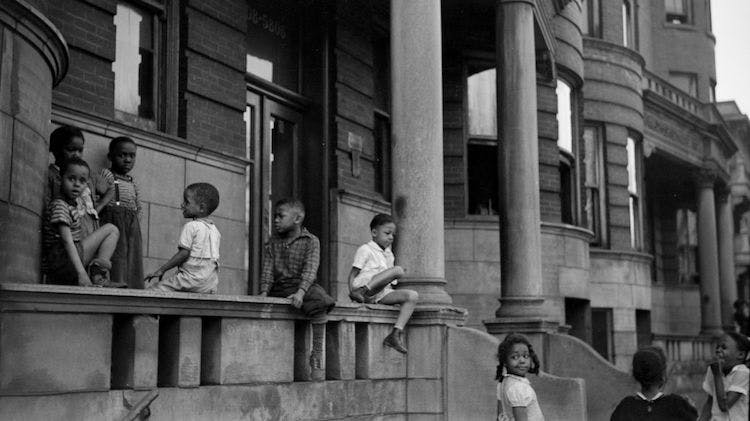
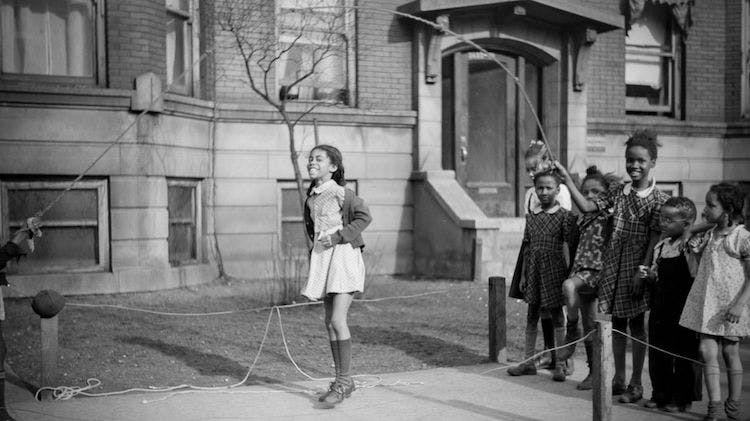
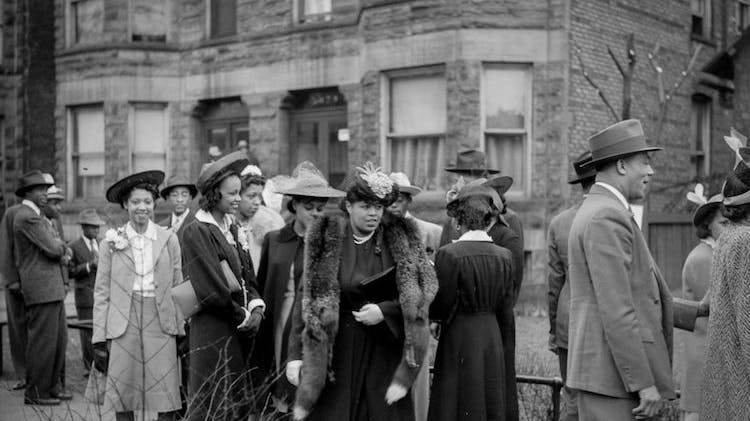
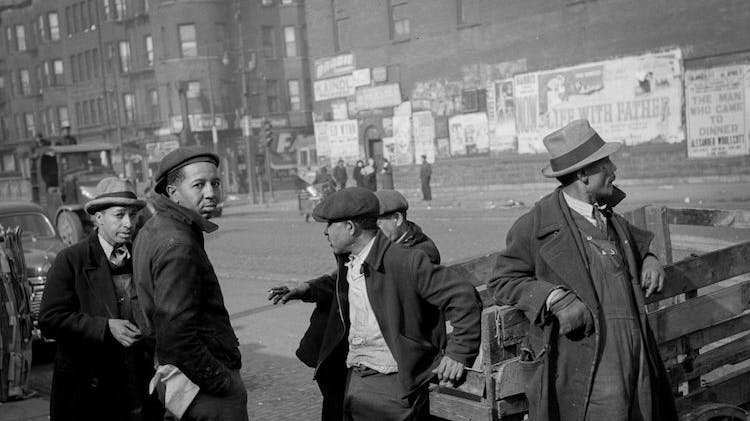
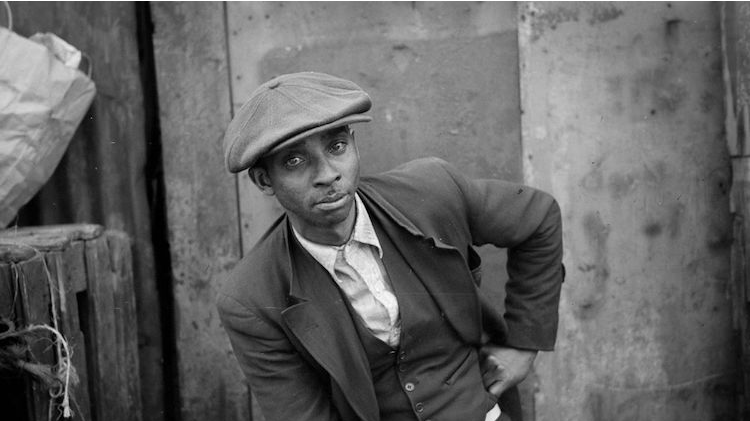
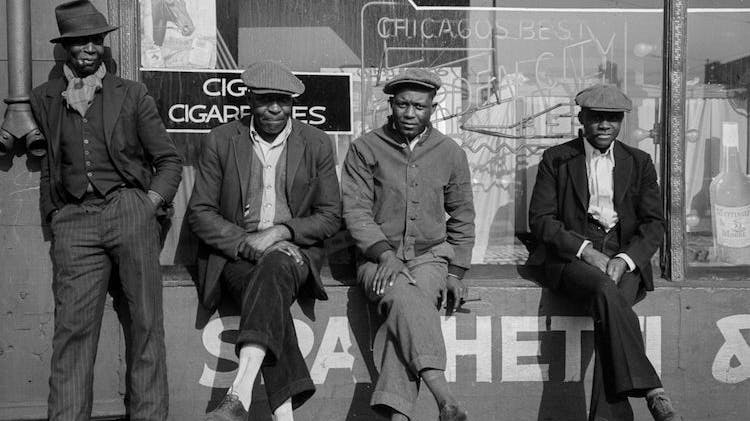
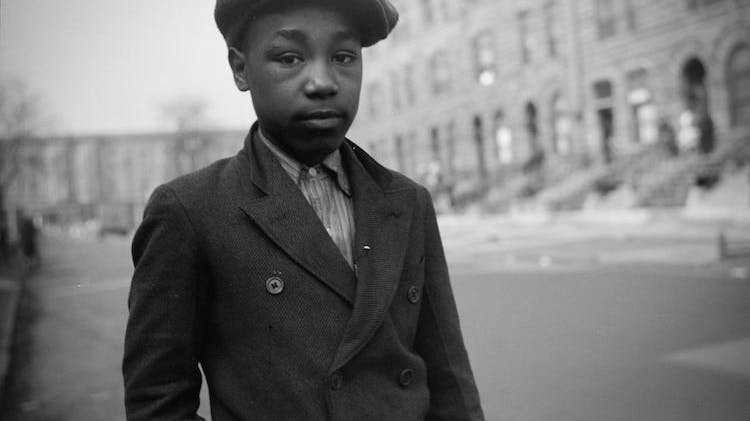
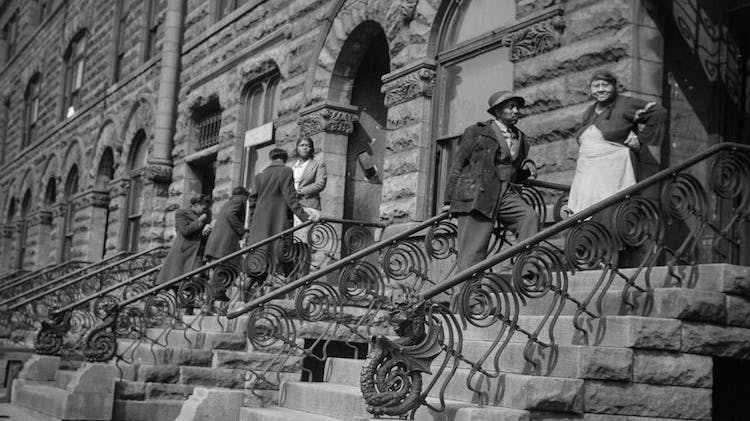
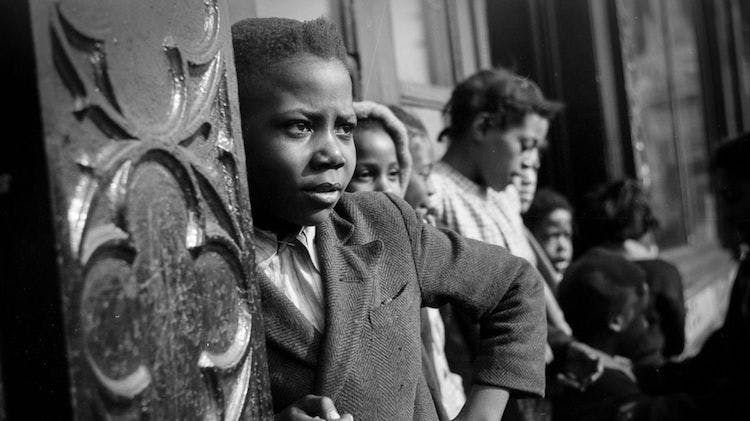
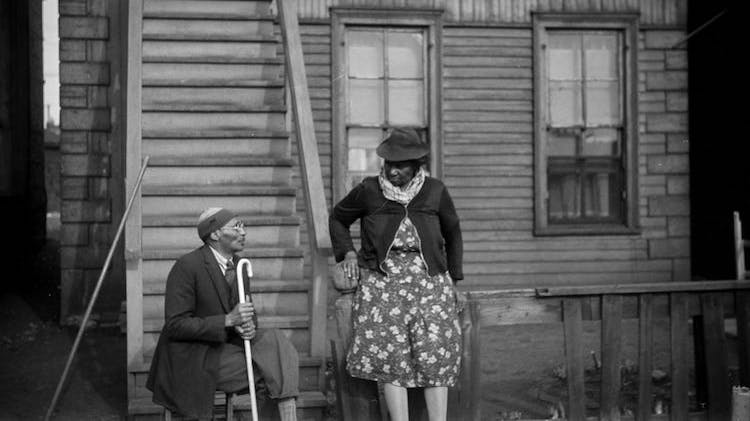
Fig. 2 Photo by: Edwin Rosskam, courtesy of Library of CongressFig. 3 Photo by: Edwin Rosskam, courtesy of Library of CongressFig. 4 Photo by: Edwin Rosskam, courtesy of Library of CongressFig. 5 Photo by: Edwin Rosskam, courtesy of Library of CongressFig. 6 Photo by: Edwin Rosskam, courtesy of Library of CongressFig. 7 Photo by: Edwin Rosskam, courtesy of Library of CongressFig. 8 Photo by: Edwin Rosskam, courtesy of Library of CongressFig. 9 Photo by: Edwin Rosskam, courtesy of Library of CongressFig. 10 Photo by: Edwin Rosskam, courtesy of Library of CongressFig.11 Photo by: Edwin Rosskam, courtesy of Library of CongressFig. 12 Photo by: Edwin Rosskam, courtesy of Library of CongressFig. 13 Photo by: Edwin Rosskam, courtesy of Library of CongressFig. 14 Photo by: Edwin Rosskam, courtesy of Library of CongressFig. 15 Photo by: Edwin Rosskam, courtesy of Library of CongressFig. 16 Photo by: Edwin Rosskam, courtesy of Library of CongressFig. 17 Photo by: Edwin Rosskam, courtesy of Library of CongressFig. 18 Photo by: Edwin Rosskam, courtesy of Library of CongressFig. 19 Photo by: Edwin Rosskam, courtesy of Library of CongressFig. 20 Photo by: Edwin Rosskam, courtesy of Library of Congress
Edwin Rosskam worked for the Farm Security Administration (FSA). He documented American life through photography during the Great Depression and the Great Migration. He visited the South Side of Chicago in 1941 to take photographs. All of the photos that follow were taken by him on that trip.
Turn-and-Talk
Directions: Think back to the photographs we studied in Lesson 1. Choose one image that you think best responds to the prompt below and be ready to share your ideas. Partner A, share your image choice and one detail from the photo. Partner B, listen for the details and then share your own.
Which image best shows dreaming, and what details lead to that inference?
Inferring Meaning using Context Clues
Based on the opening line of “Harlem,” what do you predict this poem will explore?
Whole-Class Discussion
Poetry Close Read
Directions: You are going to experience this poem three ways: silently on the page, through audio, and through our own voices. Each time, notice something new about how Hughes shapes the idea of a deferred dream.
Read the poem silently once. Then write 2–3 sentences answering the question: What is this poem about?
Directions: Now listen to the audio recording. Pay attention to the reader’s pauses, emphasis, and tone.
What did you notice in the audio version that you did not notice on the page?
What did the reader's voice do that the punctuation or line breaks could not do by themselves?
Choral Reading
Directions: Circle every punctuation mark you see in the poem. Then we will stand and read the poem aloud sentence by sentence, paying attention to how the punctuation changes our pace.
What pattern do you notice in the punctuation?
Why might Hughes end with the shortest question, "Or does it explode?"
Comparing Poetic Mediums
What does the page show you that the audio cannot?
How does seeing those choices on the page affect your experience of the poem?
Why do you think Hughes asks a series of questions instead of giving one final answer?
Pulse Check
Which feature of the printed poem most strongly builds tension in a way the audio alone cannot fully show?
A. The poem includes the word dream.
B. The final line stands alone after white space.
C. The reader pauses between questions.
D. The poem is short and compact.
Quick Write
Directions: Look back at the class-selected photograph and at the poem “Harlem.” Write a short response that answers both parts of this question:
“What dream might this person have? How might it be deferred?” Use at least one specific visual detail from the photograph and one specific detail from the poem to support your opinion.